Why more businesses are treating cooling as infrastructure rather than an operating expense
Incorporating cooling systems at the design stage is becoming a norm for new buildings and renovations. Mister Misting specializes in tailored cooling solutions to maximize operational efficiency and reduce energy costs. Their systems significantly enhance chiller functions and lead to notable reductions in electricity usage. With over five hundred successful installations across India, intelligent cooling design is essential for fostering industrial advancement and effective energy management.
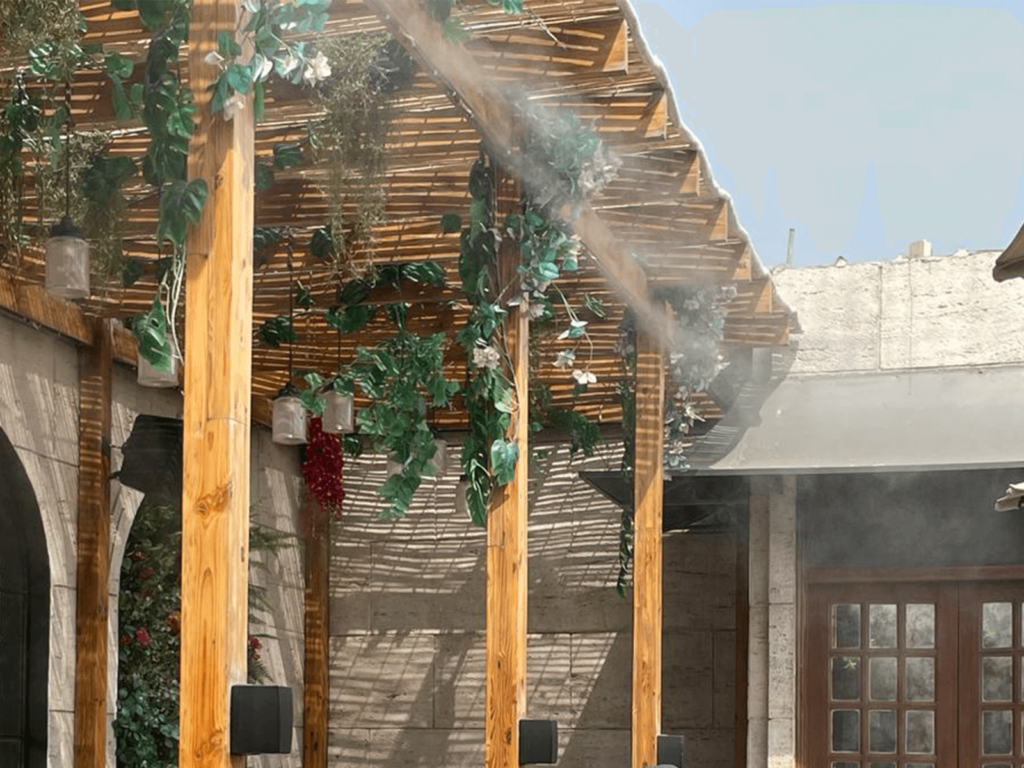
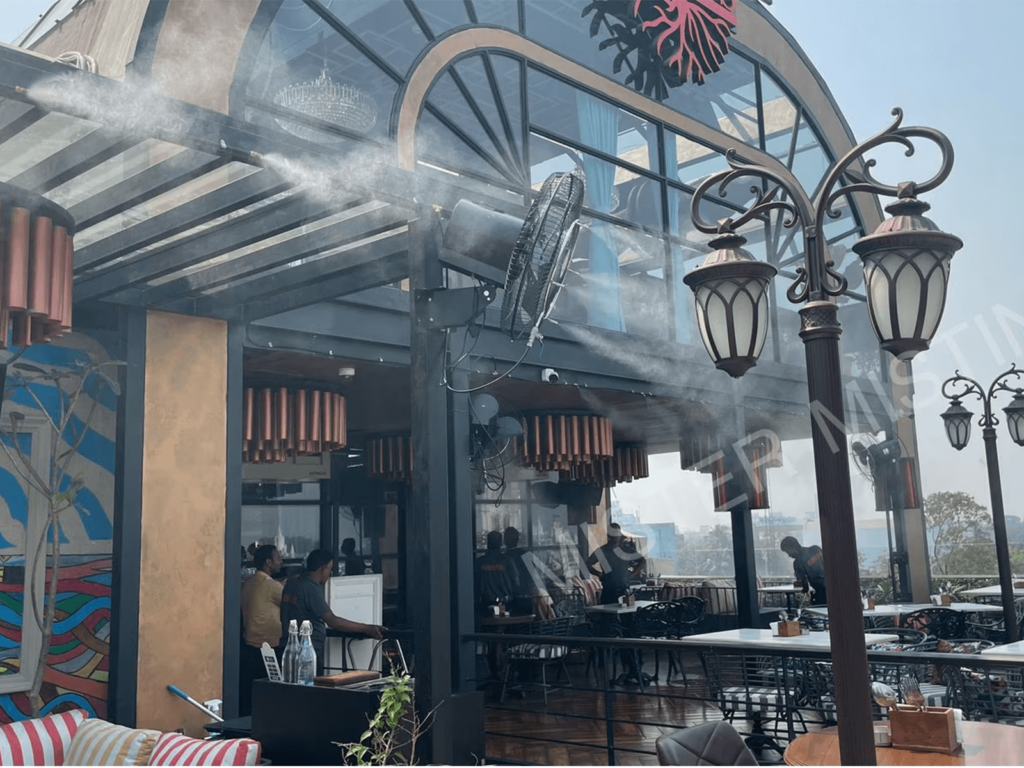
For years, cooling systems were treated as a utility—something installed after a building was designed and upgraded only when temperatures became uncomfortable. That approach is beginning to change. Factories, warehouses, logistics centres and hospitality businesses are increasingly considering cooling much earlier in the planning process. The reason is straightforward: heat affects more than comfort. It influences equipment efficiency, employee productivity and energy costs throughout the year. Mister Misting has built its business around that shift. Instead of approaching cooling as a standalone product, the company works with facilities to design systems suited to how each site operates. Projects typically begin with an assessment of heat sources, airflow, occupancy and existing infrastructure before a solution is recommended. Its portfolio includes high-pressure mist cooling for large spaces and adiabatic pre-cooling systems that improve the performance of existing chillers and condensers. Rather than replacing installed HVAC systems, these solutions are often used to help them operate more efficiently by lowering the temperature of incoming air. According to the company, more than 100 such pre-cooling installations are operating across India, while its overall project count has crossed 500 sites. The company estimates that these installations together save customers more than one million kilowatt-hours of electricity annually. Systems are manufactured and assembled in India and designed to account for local conditions such as dust levels, water quality and seasonal climate variations. Cooling demand is expected to rise steadily as cities expand and industrial activity grows. For businesses, that creates a practical question: how can thermal comfort be maintained without a corresponding increase in electricity use? Companies like Mister Misting argue that the answer will not come from a single technology but from designing cooling systems more intelligently. As organisations invest in new facilities and upgrade existing ones, cooling is gradually moving from the maintenance budget into long-term infrastructure planning.